Lisbon has a way of catching you off guard. You arrive expecting postcard views and pastel de nata, and you leave carrying something heavier — a feeling that this city somehow understood you before you understood it.
I spent three weeks in Lisbon. Not because I planned to — my original itinerary gave the city four days. But Lisbon has this gravitational pull that rewrites your plans quietly, one extra morning at a time, until suddenly you’ve memorized the tram schedules and the barista at your corner café knows your order.
Alfama at Dawn
I made it a rule to wake before the tourists. Every morning at 6:30, I’d climb the narrow streets of Alfama while the neighborhood still belonged to its residents. Old women watering plants on wrought-iron balconies. A baker sliding trays into an oven that’s been running since 1952. The sound of fado bleeding through shuttered windows.
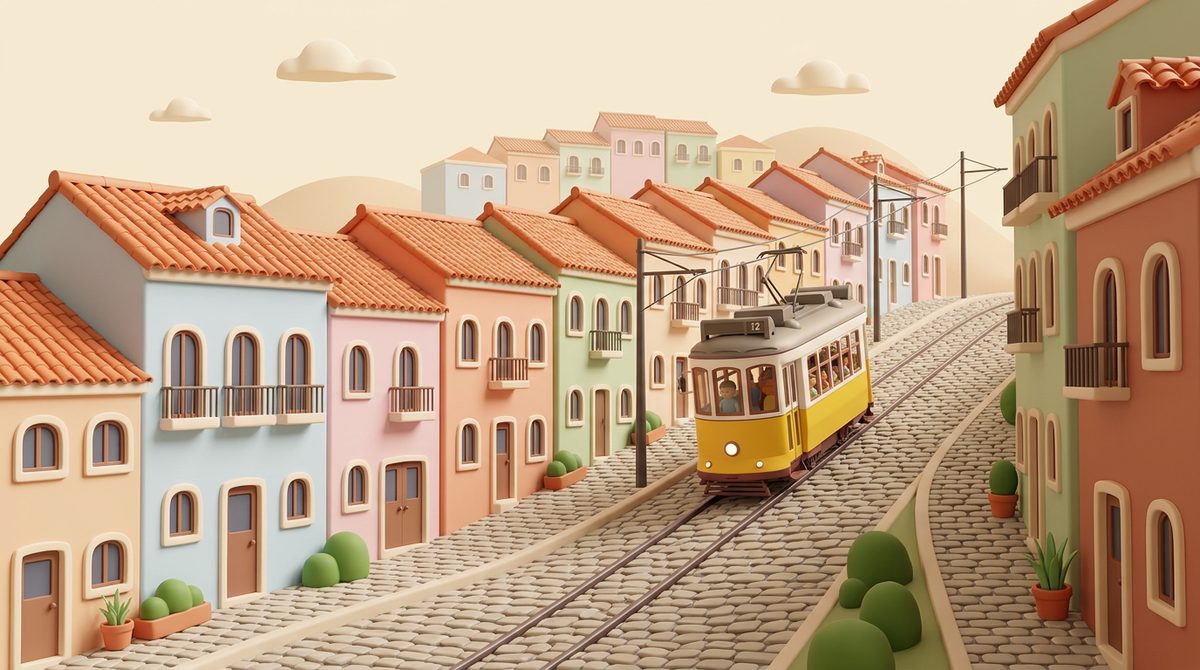
Alfama is Lisbon’s oldest neighborhood, and it wears its age proudly. The streets aren’t designed for cars or even logic — they twist, climb, dead-end, and occasionally open up to viewpoints that make you forget you were lost. The walls are lined with azulejo tiles in every shade of blue, cracked and faded in the most beautiful way.
The Miradouro da Graça at sunrise is worth every steep step. The Tagus River turns liquid gold, the red rooftops glow, and for a brief moment the entire city feels like it was built just for you. I’d sit there with a coffee from the kiosk and just watch — fishermen heading to the river, dogs trotting ahead of their owners, the city slowly shaking off sleep.
Lisbon doesn’t rush. It sways. It hums. It waits for you to slow down before it reveals its secrets. – James Okafor
Beyond the Tourist Trail
Everyone visits Belém and Bairro Alto. But Lisbon’s real magic hides in the spaces between. Take the ferry to Cacilhas for lunch — a 10-minute ride that costs €1.30 and delivers you to a waterfront strip of seafood restaurants where locals outnumber visitors 20 to 1.
- Mouraria neighborhood — the birthplace of fado, now a multicultural melting pot with incredible street art and hole-in-the-wall restaurants serving food from Mozambique, Goa, and Brazil.
- LX Factory — a creative hub in a former industrial complex. Go for the brunch, stay for the bookshop. The Sunday market here is one of the best in Europe.
- Mercado da Ribeira — skip the tourist food hall upstairs; the real market is on the ground floor where grandmothers haggle over fish and the produce stalls overflow with fruit you’ve never seen before.
- Principe Real — the neighborhood where Lisbon’s creative class hangs out. Concept stores, botanical gardens, and a weekend organic market under ancient cedar trees.

The Café Culture
Lisbon runs on coffee. Not the hurried espresso-to-go culture of New York or London — proper sit-down, people-watching, time-dissolving café culture. A bica (Lisbon’s espresso) costs about €0.70, and that buys you a marble table, a window seat, and as much time as you need to rethink your entire life trajectory.
My favorite was a tiny place in Graça with no name on the door, just a faded sign that said “Café” in hand-painted letters. The owner, a retired fisherman named António, would bring pastéis de nata warm from the oven next door and tell stories about the old neighborhood. He didn’t speak English. I didn’t speak Portuguese. We understood each other perfectly.
The Art of Getting Lost
Solo travel in Lisbon taught me that getting lost is not a failure of navigation — it’s a method of discovery. Every wrong turn led to a hidden garden, a crumbling palace, or a conversation with a stranger who became a friend for the afternoon.
On my last day, I wandered into a fado house in Alfama that I’d walked past a dozen times without noticing. The singer was a woman in her seventies with a voice that seemed to carry the entire weight of the Portuguese word saudade — that untranslatable longing for something you love that’s gone. The room held maybe fifteen people. Nobody spoke. Some cried. When the last note faded, the silence that followed was the most beautiful sound I heard in three weeks.
My advice? Put down Google Maps for an afternoon. Follow the sound of a guitar. Chase the smell of grilled sardines. Let Lisbon lead. You’ll find things no guidebook could ever list — because the best parts of this city aren’t places, they’re moments.